










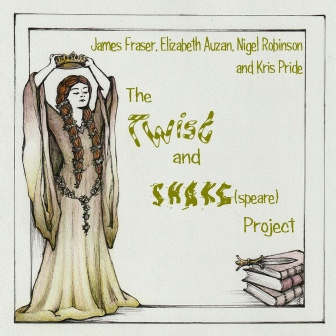






Also get the PDF booklet with information and full lyric sheets
by clicking the PDF button.





(opens in new page)
(opens in new page)
(opens in new page)
(opens in new page)
(opens in new page)
(opens in new page)
(opens in new page)
(opens in new page)
(opens in new page)
(opens in new page)
(opens in new page)
(opens in new page)
L’Uomo è Mobile
Ironic reference to Verdi’s aria “La Donna è Mobile” from Rigoletto. In “Twelfth Night” it is the Duke Orsino, not the female characters, who is “fickle as a feather in the wind, he changes his voice -
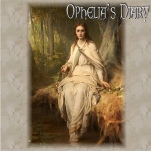
Ophelia’s Diary
“Hamlet” is all about -
Toil and Trouble
The title is taken from the prophesy of the 3 witches in “Macbeth” and puts the play’s plot into a nutshell. Other actual quotes are interwoven with the lyrics.
NB There is a theatrical superstition that the name Macbeth should never be pronounced inside a theatre (outside of the actual script) or disaster will strike.
The play is thus referred to as “The Scottish Play.”
Midsummer Madness
“A Midsummer Night’s Dream” is possibly Shakespeare’s most light-
Cordelia
King Lear’s youngest daughter is one of Shakespeare’s strongest female characters.
Unlike her sisters, she refuses base flattery (that “glib and oily art” in the Bard’s words) to obtain wealth and lands when Lear is deciding on how to distribute his daughters’ inheritance. She is banished from the kingdom. The song asks the question of how one can measure human worth.
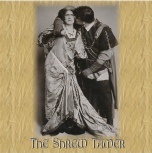
The Shrew-
Katherine (the so-
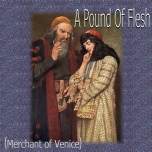
A Pound of Flesh
In “The Merchant of Venice” pound of flesh is what a nobleman, Antonio, agrees to pledge for a loan to Shylock, the despised Jewish moneylender.
When Antonio is unable to pay off his loan, Shylock claims his pound of flesh (literally). In court, Portia, Antonio’s fiancée, defends him against Shylock. She wins the case by cleverly playing on words, stock in trade of all lawyers!
Shylock’s Lament
Shylock is an ambiguous character in “The Merchant of Venice” He is despised as a Jew who were discriminated against in medieval Venice. He is avaricious and malevolent but, on the other hand, has suffered and been mocked or worse. His famous soliloquy, part of which is “stolen with pride” to make the chorus of the song, seems to be a plea for an end to discrimination which resonates today
The Green-
This phrase was coined by Shakespeare in “Othello” to describe jealousy. Othello, egged on by the villainous, envious Iago, suspects his wife, Desdemona of being unfaithful and ends up taking her life. The song focuses on the damage jealousy, combined with blind ego, can wreak.
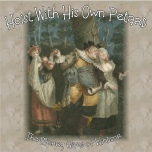
Hoist With His Own Petard
The phrase is taken from “Hamlet” but well describes the tribulations of Sir John Falstaff in “The Merry Wives of Windsor”. An impoverished nobleman (not to be confused with noble man which he distinctly is not!) Falstaff plots to woo and then blackmail two married women in the good town of Windsor. His plot is foiled and he is made to look ridiculous. Thus he is “hoist with his own petard” In other words, he was asking for it!
Indecent Proposal
Hard to resist this theme in these days of ever-
Twist and Shake
We had such fun putting this album together that we decided to do a “making of” song. We chose to do a rock’n’roll song because -
All tracks from the album can be found by going to most available streaming platforms where you should find higher quality recordings than those available here.