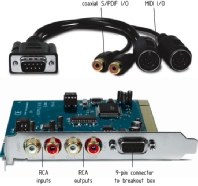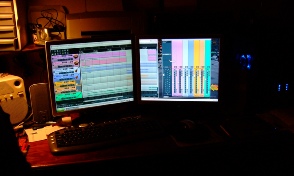




The computer studio kicked off in May of 2005 when I had a PC built to handle things. This was an AMD 64 3000 (1.8Ghz) processor running on Windows XP Home with 1Gb memory, a couple of hard drives and the all important M-
This set-
The twin monitor set-
This all ran sweetly enough until 2014 when it was so worked out it was causing problems.
That was when I had a whole new system built. Still on a AMD chip but now a blazing Win7 quad-
When I started off this DAW (digital audio workstation) it was with a demo of Cubase but quickly got fed up with the learning curve (me not being too technical). I tried various free versions of sequencer programs and eventually found the fabulous REAPER. One of the wonderful things about this program is that the fully functioning trial version is free to download and evaluate for as long as you like and that the buying price is so modest. It is totally the best value, and easiest to learn, of all the recording softwares. Still using it exclusively to this day.
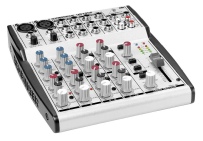
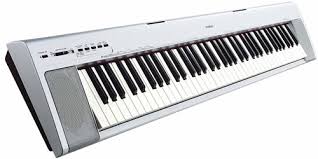
The signal chain that I use is quite straightforward. Microphones, guitars, basses and audio from Yamaha NP-
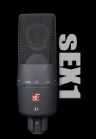
Main microphone is a large diaphragm condenser mic in the shape of the SeX1 from SE electronics, which draws it’s 48v phantom power from the mixer. For some applications I revert to my old dynamic Behringer XM1800S super cardioid or Behringer XM2000 cardioid.
My usual technique, which I tend to apply to all acoustic instruments in much the same way, is ‘close mic-
Electric guitars and basses go directly through the mixer to the soundcard to record the ‘clean’ signal. After that processing is done with various amp-
Most software I use has been freeware but recently have been tempted, by some extra special offers, to the Izotope Nectar, Neutron and Ozone suites with excellent results.
Last year I was forced into replacing the last computer system described with a new Win 10 Solid State rig.
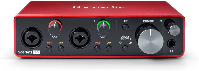
Because of lack of updated drivers, etc, I have had to ditch my preferred soundcard in favour of a USB interface in the form of the Focusrite Scarlett.
A lot of people swear by this but I have to admit it is taking me some time to get used to this radical change.
Most of my other techniques described have stayed the same.